How to Choose a Hobby You’ll Want to Return To
Choose a hobby you can repeat by matching its demands to your curiosity, available time and preferred company, then make a clear decision about what to try next.

How do you choose a hobby you can repeat without turning leisure into another obligation? Compare what the activity asks of you with what you actually enjoy: focused practice, fresh air, making things, solving puzzles or spending time with other people.
The best fit is not necessarily the easiest activity to start. It is one whose ordinary effort feels worthwhile, even when the result is modest. Think of choosing a hobby like choosing a book: the cover may catch your eye, but the pages tell you whether you want to keep going.
Choose the kind of enjoyment you want
Begin with the experience you hope to have, not with a list of fashionable pastimes. If you want quiet concentration, try drawing, crochet or a jigsaw. If you want movement and changing scenery, consider walking, gardening or cycling. For conversation, look at a choir, board-game group or community class.
Notice what you are curious about, too. A hobby can offer a subject to explore—local birds, family history, bread-making—or a skill to practise, such as playing piano or speaking another language. You do not need to know in advance how good you will become. You do need some interest in the activity itself.
Compare the demands before you commit
Different hobbies make different claims on your time, space and attention. Use the points below to compare actual options. Each observation leads to a decision, rather than a general promise to “make it work”.
- Time: Observe whether the activity needs a long, uninterrupted session or can be enjoyed in a shorter opening. If your available time is unpredictable, then favour an activity that can be paused; otherwise, consider one built around a scheduled class or outing.
- Space: Observe where you could comfortably do it and whether the materials would need to remain set up. If you lack a dedicated area, then choose a portable or easy-to-pack activity; otherwise, a hobby with a fixed work surface may suit you.
- Company: Observe whether you want to do the activity alone, with a friend or in a group. If you prefer flexibility, then choose something you can do solo; otherwise, check whether a club or class meets at a time you can attend.
- Learning style: Observe whether you prefer written instructions, demonstrations or a teacher who can answer questions. If one format helps you stay interested, then look for a beginner resource in that format; otherwise, try a low-pressure introductory session before choosing.
- Effort: Observe whether you want physical activity, mental focus or hands-on repetition. If the effort sounds draining rather than satisfying, then compare a gentler variation; otherwise, treat that effort as part of the appeal.
- Outcome: Observe whether you want a finished object, a skill, a route explored or simply an enjoyable session. If visible results matter to you, then choose an activity with clear projects or milestones; otherwise, prioritise the process itself.
This is a way to compare fit, not to rule out every activity with a drawback. A class may offer welcome company but require advance planning. Gardening may involve outdoor upkeep, while sketching may ask for patience with unfinished work. Decide which trade-offs you would willingly accept.
Try a small, specific version of the activity
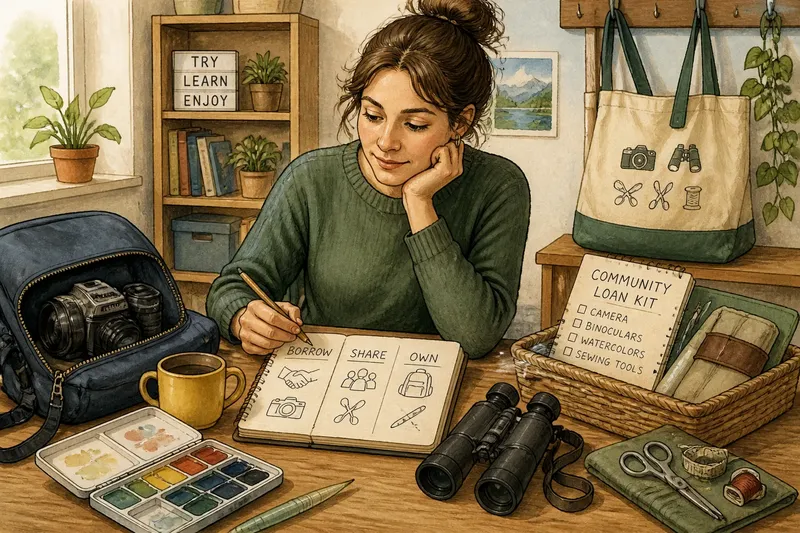
Before investing in a full set of equipment or a long course, look for a modest way to encounter the real activity. Borrow a ukulele, use a library book on drawing, attend an open choir rehearsal or take a beginner walk with a local nature group. Check what the session actually involves, rather than judging by a polished finished product.
Say you are curious about birdwatching but unsure whether you would enjoy being outdoors quietly. Your starting point is a free Saturday morning, a nearby park and borrowed binoculars; you choose one short public trail and bring a pocket notebook. You walk slowly, note the birds you can identify, and find that listening and looking are enjoyable even when you cannot name every call. The result is a reason to try another outing, but not an obligation to buy equipment or join a group.
If the first attempt falls flat, separate the activity from its circumstances. A noisy room may make a drawing class unpleasant; a complicated recipe may obscure your interest in cooking. Change one feature if practical, such as the setting, the beginner resource or the company. If the central activity still does not appeal, move on without treating that as a failure.
Make a choice when several hobbies appeal
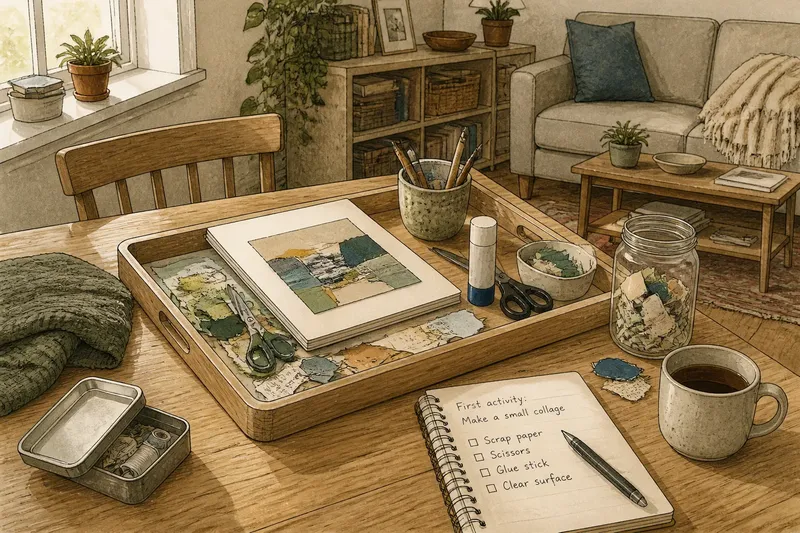
When two or three options sound promising, compare them against the kind of leisure you want now. A simple note on paper can make the trade-offs visible. For each activity, write down what draws you to it, what could get in the way and the smallest realistic way to try it.
Then choose the option with the strongest combination of curiosity and workable conditions. This is not a permanent decision. You are choosing what to explore next, with permission to change direction if the experience differs from what you expected.
What questions help you choose a hobby?
How do I find a hobby that suits my personality?
Start with activities you already enjoy, such as making things, learning facts, moving outdoors or sharing conversation. Treat these preferences as clues, then try an activity that offers the same kind of enjoyment in a new form.
Should I choose a hobby I can do alone or with other people?
Choose based on the company you want during your free time, not on what seems more admirable. If you are unsure, try a social activity with an easy solo alternative, or invite one person to join you for an individual pastime.
What if I have several interests but little free time?
Pick one activity whose usual demands fit your current schedule and keep the other ideas on a short list. You can revisit them when your circumstances change, rather than trying to fit every interest into your week.
How much equipment should I get at the start?
Use borrowed, shared or basic materials where possible until you know which part of the activity you enjoy. If a particular tool becomes necessary to continue, check beginner guidance or ask an experienced instructor what is suitable for your purpose.
Let your experience decide what comes next
After trying an activity, ask what you enjoyed, what felt awkward and whether you would willingly make room for another session. A hobby does not need to produce a polished result or become part of your identity. It needs to offer an experience you value enough to choose again.
For choosing a hobby you can repeat, the useful question is not whether you will love it forever, but whether its real demands and rewards suit you now. Keep that distinction in mind when you explore another pastime: curiosity can be a good reason to begin, and changing your mind can be a sensible result.